When Wes Anderson first entered the world of American cinema – first with 1996’s Bottle Rocket, followed by 1998’s
As his 8th feature film, The Grand Budapest Hotel, prepares to land, we here at zavvi.com felt it was time to take stock of the little prince of American independent film’s sometimes brilliant, sometimes baffling oeuvre.
His first film, Bottle Rocket, still ranks as one of my personal favourites, and established some of the visual ticks and tropes that are now not only considered his own trademarks, but have spawned a whole generation of imitators, including the use of rostrum camera insert shots, dysfunctional families and the beginning of his long term collaboration with Owen Wilson – who he met whilst at the University of Texas.
Speaking of Anderson’s tendency to create an extremely unique aesthetic, the cast of Saturday Night Live recently parodied his nuances in their trailer for the made-up horror film “The Midnight Coterie of Sinister Intruders” – in this case though, imitation is indeed the highest form of flattery with Edward Norton (who appeared in
One of his greatest critical successes came with 2001’s
It is in The Royal Tenenbaums that Anderson’s stylistic flourishes are perfectly placed: wide angle lenses, heavy use of the font Futura Bold, and an eclectic soundtrack and score.
In between that film and the upcoming Budapest Hotel Anderson made a bricolage of wildly different, yet absolutely ‘Andersonian’ films notably including 2009’s
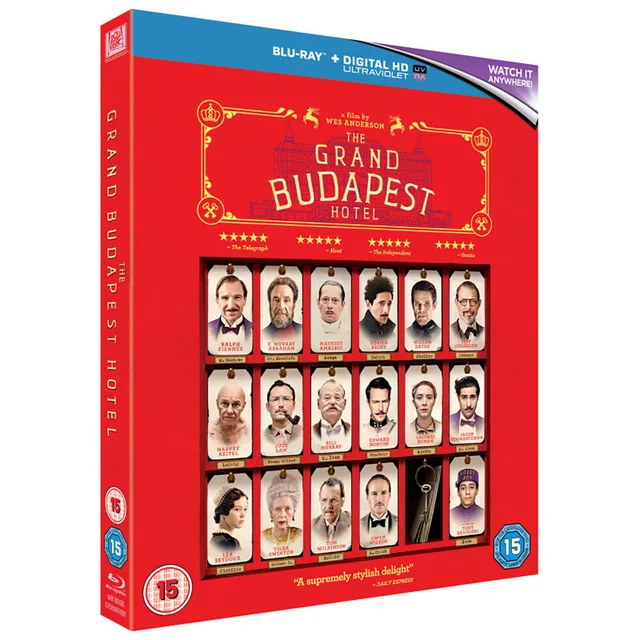
Which brings us nicely back to The Grand Budapest Hotel. Again with an ensemble cast including Ralph Feinnes, Willem Dafoe, Jude law as well as returning actors Bill Murray, Edward Norton, Adrien Brody, Jason Shwartzman, Tilda Swinton and Owen Wilson.
The film looks like it will again develop Anderson’s vision as an auteur with his instantly recognisable stylistic flourishes – and has so far garnered great praise from critics, with Variety calling it ‘A captivating 1930s-set caper whose immaculate surface pleasures might just seduce you into overlooking its sly intelligence and depth of feeling.’
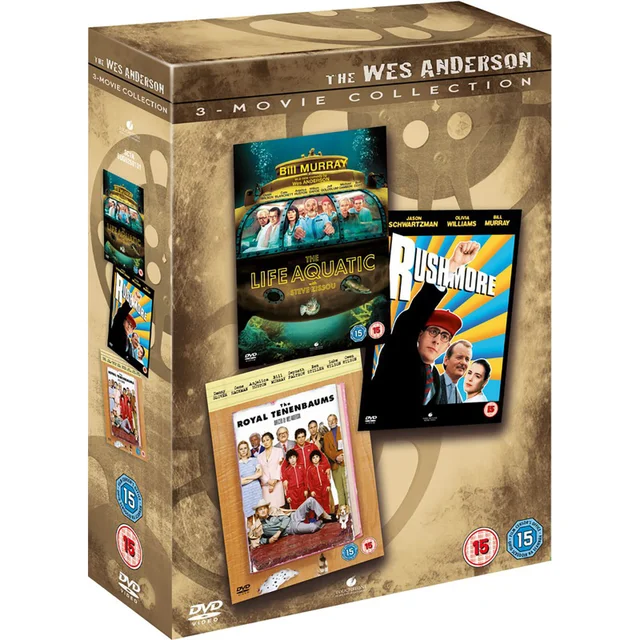
- Wes Anderson CollectionCurrent price: £11.99. Recommended Retail Price: £12.99. Save £1.00 .
- The Grand Budapest HotelCurrent price: £9.99. Recommended Retail Price: £24.99. Save £15.00 .
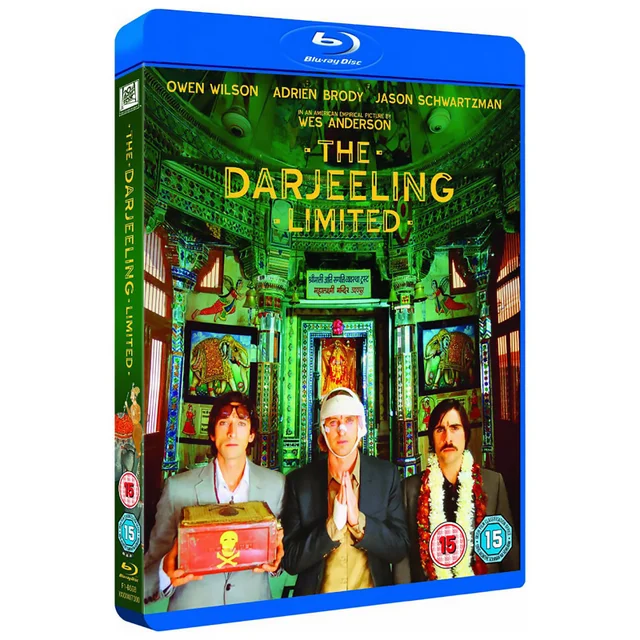
- The Darjeeling LimitedCurrent price: £9.99. Recommended Retail Price: £14.99. Save £5.00 .
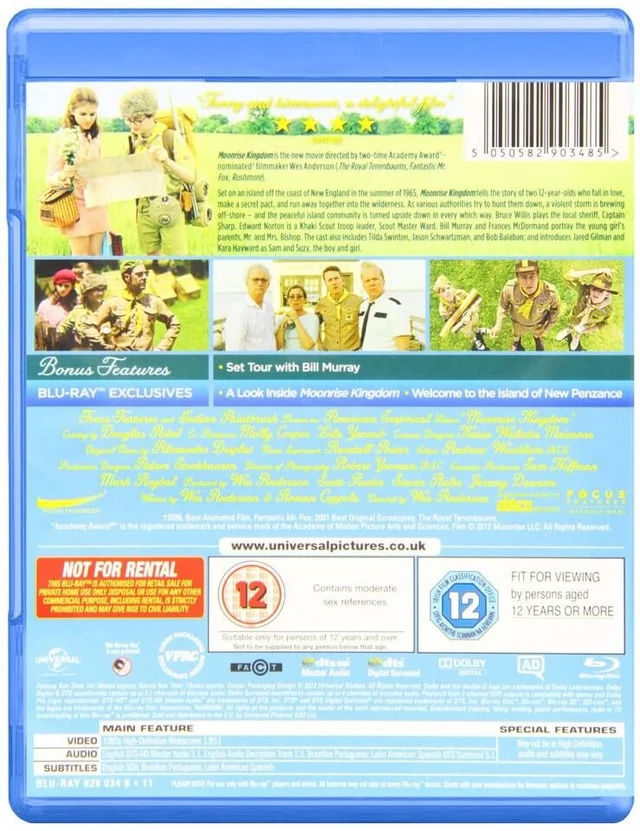
- Moonrise KingdomCurrent price: £8.99. Recommended Retail Price: £19.99. Save £11.00 .
- Fanastic Mr. FoxCurrent price: £5.49. Recommended Retail Price: £19.99. Save £14.50 .